Postpartum
PA Medicaid Covers 12 Months Postpartum: What's Included
Pennsylvania Medicaid covers you for a full 12 months after birth — therapy, doulas, lactation help, rides, and more. What's included and how to use it.

Phia Care Team
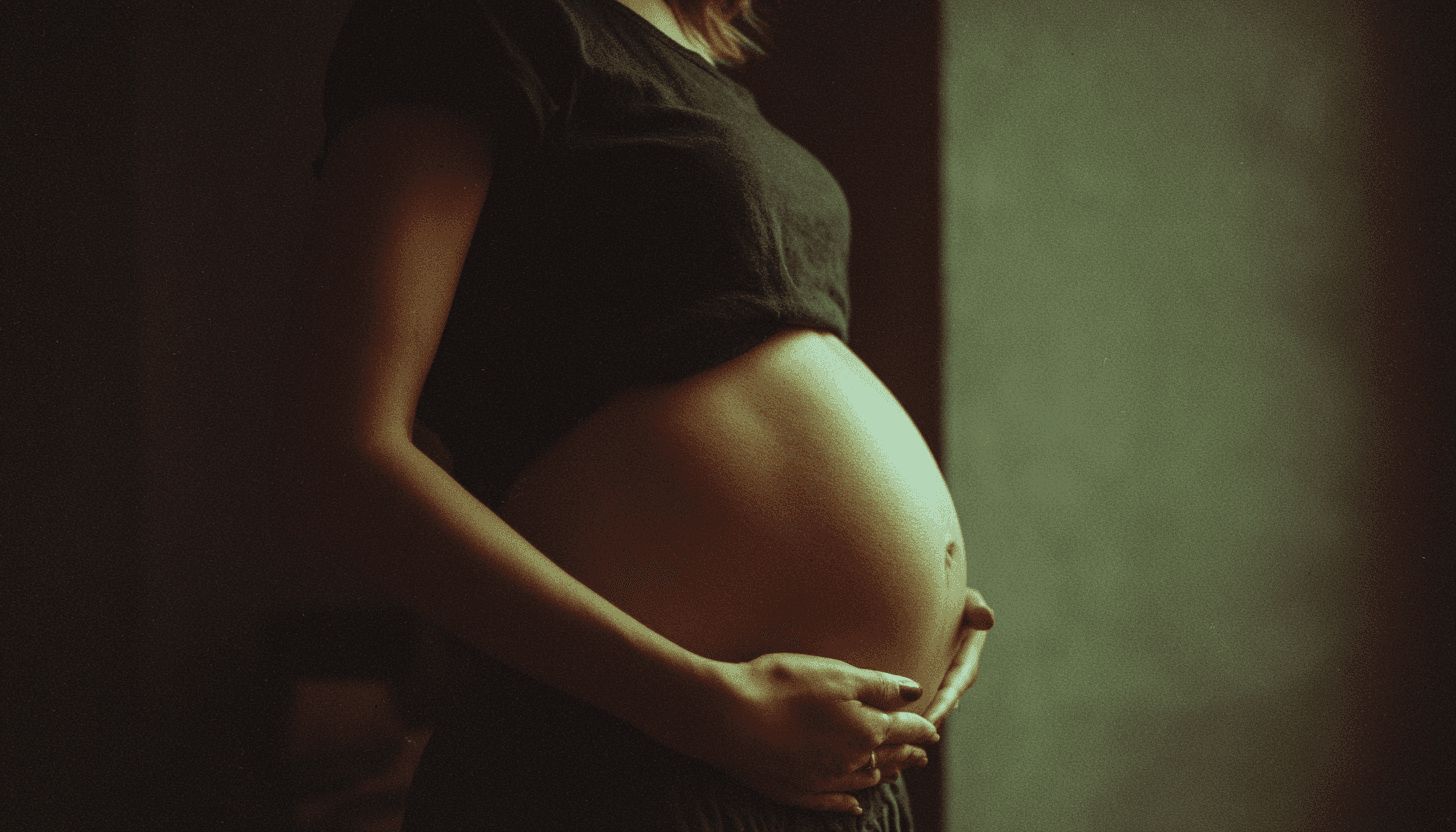
If you have Pennsylvania Medicaid (Medical Assistance) when your baby is born, your coverage continues for a full 12 months after delivery — not just six weeks — and it stays active even if your income goes up during that year.
Your baby is automatically covered until their first birthday, with no application needed. That year includes far more than checkups: mental health care, doula services, lactation support, prescriptions, dental care, and even rides to appointments.
Most new mothers in Pennsylvania use only a fraction of this. Here's the complete picture.
First, the rule that changed everything
Until a few years ago, pregnancy-related Medicaid ended 60 days after birth — right before the months when most serious postpartum complications occur. Pennsylvania adopted the federal 12-month postpartum extension, which means:
Your coverage runs through 12 months postpartum, automatically. You don't need to file anything to keep it.
Income changes during that year don't end it. Went back to work? Got a raise? Your postpartum coverage continues regardless.
It applies however your pregnancy ended — live birth, or loss. The 12-month clock starts at the end of the pregnancy.
This matters clinically, not just financially. More than 80% of pregnancy-related deaths are preventable, and most occur not during delivery but in the weeks and months after — precisely the window this coverage now protects.
Everything your coverage includes for the postpartum year
Every Pennsylvania HealthChoices plan is required to cover the same core benefits package. During your postpartum year, that means:
Benefit | What it covers | Worth knowing |
|---|---|---|
Postpartum visits | Your comprehensive postpartum checkup plus any follow-up visits | Don't stop at the 6-week visit — you're covered for problems that show up at month 4 or month 9 |
Mental health care | Therapy, psychiatry, and medication for postpartum depression and anxiety | Behavioral health has its own dedicated coverage in PA — see below |
Doula services | Certified doula support during pregnancy, birth, and up to 12 postpartum visits | New as of January 1, 2025 — most eligible mothers don't know it exists yet |
Lactation support | Breastfeeding help and breast pumps | Ask your plan about pump coverage before delivery if possible |
Prescriptions | Including antidepressants, blood pressure medication, and birth control | Blood-pressure follow-up is critical if you had preeclampsia or gestational hypertension |
Specialist care | Cardiology, endocrinology, pelvic floor referrals, and more | Postpartum preeclampsia, thyroid problems, and gestational diabetes follow-up all live here |
Dental and vision | Cleanings, treatment, eye exams | Pregnancy is hard on teeth; you're covered to fix it |
Transportation (MATP) | Free rides to medical appointments through the Medical Assistance Transportation Program | The most underused benefit on this list — no car is not a reason to miss a visit |
Hospital and emergency care | Inpatient, outpatient, and ER | Know the postpartum warning signs that mean "go now" |
The mental health benefit deserves its own paragraph
In Pennsylvania, Medicaid behavioral health coverage is managed separately from physical health, through county-based behavioral health plans — and it is comprehensive: therapy, psychiatric care, and medication are covered. Roughly 1 in 8 mothers experiences postpartum depression, and anxiety is at least as common. If you've felt off for more than two weeks, you don't have to wait for a referral or your next OB visit. You can take a free 3-minute screening now — and if you're a Phia patient, a positive screen gets you same-week follow-up with a licensed behavioral health clinician, covered by your plan.
The doula benefit is new — use it
Since January 1, 2025, Pennsylvania Medicaid pays for state-certified doulas: prenatal and postpartum visits (up to 12 per year), support during labor and delivery, and related services. You need a recommendation from a Medicaid-enrolled licensed practitioner to start. If nobody has offered you one, ask — the benefit is too new for most practices to mention it routinely.
Your baby is covered too — automatically
A baby born to a mother with Medical Assistance or CHIP is a "deemed newborn": automatically covered by Medicaid until their first birthday, with no application required. The hospital or you simply report the birth to your County Assistance Office. Two details worth underlining:
Changes in your family's income never affect the baby's coverage during that first year.
That coverage includes all well-child visits, vaccines, sick visits, and specialist care — including NICU follow-up.
After the first birthday, your child will likely qualify for continued Medicaid or CHIP; you'll get renewal paperwork, and it's worth returning it promptly.
How to use the year well: a realistic timeline
Weeks 0–3: Blood pressure check within 7–10 days if you had any hypertension in pregnancy (this is when postpartum preeclampsia strikes). Report the birth to your CAO so the baby's coverage activates. Lactation help the moment feeding hurts or isn't working — not three weeks in.
Weeks 3–12: Comprehensive postpartum visit (covered). Mental health screening — take one online even if you feel "mostly fine"; symptoms most commonly surface in this window. Start doula postpartum visits if you have one.
Months 3–12: This is the stretch the old 60-day rule abandoned — and where the coverage now earns its keep. Therapy for depression or anxiety that didn't resolve. Follow-up for gestational diabetes (glucose testing) and hypertension. Pelvic floor referral if you're still leaking, hurting, or avoiding intimacy at month 4 — none of that is "just how it is now." Birth control, dental work, and the specialist visits you postponed.
Don't have Medicaid yet? You may qualify while pregnant
Pennsylvania's income limits for pregnancy coverage are much higher than regular adult Medicaid — about 215% of the federal poverty level for pregnant women, and your unborn baby counts toward your household size. Many working families qualify and assume they don't.
Three ways to apply: online at COMPASS (fastest), by phone at 1-866-550-4355, or in person at your County Assistance Office. Apply as early in pregnancy as possible — but if you're reading this postpartum and uninsured, apply anyway; retroactive coverage can reach back up to 90 days for bills you already have.
One practical note: Pennsylvania recently re-shuffled its HealthChoices managed care contracts, and some members were auto-assigned to new plans. If your plan changed, you have the right to keep seeing your existing OB through pregnancy and postpartum care even if they're out of the new plan's network — and you can switch plans. The state's current plan list is here.
Where Phia fits
Phia Health is a licensed perinatal medical group, in network with major Medicaid and commercial plans in Pennsylvania. We work alongside your OB — not instead of them — covering exactly the window this article describes: 24/7 virtual access to nurses and clinicians, perinatal mental health screening with same-week follow-up, lactation and feeding support, and continuous monitoring of your recovery through the full postpartum year. If you have PA Medicaid, there is typically no cost to you.
See if you're eligible for Phia →
Frequently asked questions
Does PA Medicaid really cover a full year after birth? Yes. Pennsylvania adopted the federal 12-month postpartum extension. Coverage continues automatically for 12 months after your pregnancy ends, even if your income changes.
Will I lose coverage if I go back to work? Not during the postpartum year. Income increases do not end the 12-month postpartum coverage. After it ends, you'll be evaluated for other coverage categories — respond to any renewal paperwork so you don't have a gap.
Is therapy for postpartum depression covered? Yes — therapy, psychiatry, and medication are covered through Pennsylvania's Medicaid behavioral health system. If you're not sure whether what you're feeling warrants help, start with a free screening.
Does my baby need a separate application? No. Babies born to mothers on Medical Assistance or CHIP are automatically covered until their first birthday. Just make sure the birth is reported to your County Assistance Office.
Are doulas really covered? Yes, as of January 1, 2025 — pregnancy, birth, and up to 12 postpartum visits with a state-certified doula, with a recommendation from a Medicaid-enrolled practitioner.
I had a miscarriage or stillbirth. Does the 12-month coverage still apply? Yes. The 12-month extension applies from the end of pregnancy, however it ends. Grief support and mental health care are covered.
What if I don't have a way to get to appointments? The Medical Assistance Transportation Program (MATP) provides free rides to covered medical appointments in every PA county. Ask your plan or your CAO how to book.
This article explains Pennsylvania Medical Assistance benefits in general terms and is not legal or financial advice; benefits and eligibility rules can change. For your specific situation, contact your County Assistance Office or 1-866-550-4355. If you're in crisis, call or text 988, or call the National Maternal Mental Health Hotline at 1-833-852-6262.
How designers estimate the impact of UX?
PA Medicaid Covers 12 Months Postpartum: What's Included
PA Medicaid Covers 12 Months Postpartum: What's Included
Pennsylvania Medicaid covers you for a full 12 months after birth — therapy, doulas, lactation help, rides, and more. What's included and how to use it.
Pennsylvania Medicaid covers you for a full 12 months after birth — therapy, doulas, lactation help, rides, and more. What's included and how to use it.
Phia Care Team
Published in Fintech
Postpartum
Image credit by Yum Yum
If you have Pennsylvania Medicaid (Medical Assistance) when your baby is born, your coverage continues for a full 12 months after delivery — not just six weeks — and it stays active even if your income goes up during that year.
Your baby is automatically covered until their first birthday, with no application needed. That year includes far more than checkups: mental health care, doula services, lactation support, prescriptions, dental care, and even rides to appointments.
Most new mothers in Pennsylvania use only a fraction of this. Here's the complete picture.
First, the rule that changed everything
Until a few years ago, pregnancy-related Medicaid ended 60 days after birth — right before the months when most serious postpartum complications occur. Pennsylvania adopted the federal 12-month postpartum extension, which means:
Your coverage runs through 12 months postpartum, automatically. You don't need to file anything to keep it.
Income changes during that year don't end it. Went back to work? Got a raise? Your postpartum coverage continues regardless.
It applies however your pregnancy ended — live birth, or loss. The 12-month clock starts at the end of the pregnancy.
This matters clinically, not just financially. More than 80% of pregnancy-related deaths are preventable, and most occur not during delivery but in the weeks and months after — precisely the window this coverage now protects.
Everything your coverage includes for the postpartum year
Every Pennsylvania HealthChoices plan is required to cover the same core benefits package. During your postpartum year, that means:
Benefit | What it covers | Worth knowing |
|---|---|---|
Postpartum visits | Your comprehensive postpartum checkup plus any follow-up visits | Don't stop at the 6-week visit — you're covered for problems that show up at month 4 or month 9 |
Mental health care | Therapy, psychiatry, and medication for postpartum depression and anxiety | Behavioral health has its own dedicated coverage in PA — see below |
Doula services | Certified doula support during pregnancy, birth, and up to 12 postpartum visits | New as of January 1, 2025 — most eligible mothers don't know it exists yet |
Lactation support | Breastfeeding help and breast pumps | Ask your plan about pump coverage before delivery if possible |
Prescriptions | Including antidepressants, blood pressure medication, and birth control | Blood-pressure follow-up is critical if you had preeclampsia or gestational hypertension |
Specialist care | Cardiology, endocrinology, pelvic floor referrals, and more | Postpartum preeclampsia, thyroid problems, and gestational diabetes follow-up all live here |
Dental and vision | Cleanings, treatment, eye exams | Pregnancy is hard on teeth; you're covered to fix it |
Transportation (MATP) | Free rides to medical appointments through the Medical Assistance Transportation Program | The most underused benefit on this list — no car is not a reason to miss a visit |
Hospital and emergency care | Inpatient, outpatient, and ER | Know the postpartum warning signs that mean "go now" |
The mental health benefit deserves its own paragraph
In Pennsylvania, Medicaid behavioral health coverage is managed separately from physical health, through county-based behavioral health plans — and it is comprehensive: therapy, psychiatric care, and medication are covered. Roughly 1 in 8 mothers experiences postpartum depression, and anxiety is at least as common. If you've felt off for more than two weeks, you don't have to wait for a referral or your next OB visit. You can take a free 3-minute screening now — and if you're a Phia patient, a positive screen gets you same-week follow-up with a licensed behavioral health clinician, covered by your plan.
The doula benefit is new — use it
Since January 1, 2025, Pennsylvania Medicaid pays for state-certified doulas: prenatal and postpartum visits (up to 12 per year), support during labor and delivery, and related services. You need a recommendation from a Medicaid-enrolled licensed practitioner to start. If nobody has offered you one, ask — the benefit is too new for most practices to mention it routinely.
Your baby is covered too — automatically
A baby born to a mother with Medical Assistance or CHIP is a "deemed newborn": automatically covered by Medicaid until their first birthday, with no application required. The hospital or you simply report the birth to your County Assistance Office. Two details worth underlining:
Changes in your family's income never affect the baby's coverage during that first year.
That coverage includes all well-child visits, vaccines, sick visits, and specialist care — including NICU follow-up.
After the first birthday, your child will likely qualify for continued Medicaid or CHIP; you'll get renewal paperwork, and it's worth returning it promptly.
How to use the year well: a realistic timeline
Weeks 0–3: Blood pressure check within 7–10 days if you had any hypertension in pregnancy (this is when postpartum preeclampsia strikes). Report the birth to your CAO so the baby's coverage activates. Lactation help the moment feeding hurts or isn't working — not three weeks in.
Weeks 3–12: Comprehensive postpartum visit (covered). Mental health screening — take one online even if you feel "mostly fine"; symptoms most commonly surface in this window. Start doula postpartum visits if you have one.
Months 3–12: This is the stretch the old 60-day rule abandoned — and where the coverage now earns its keep. Therapy for depression or anxiety that didn't resolve. Follow-up for gestational diabetes (glucose testing) and hypertension. Pelvic floor referral if you're still leaking, hurting, or avoiding intimacy at month 4 — none of that is "just how it is now." Birth control, dental work, and the specialist visits you postponed.
Don't have Medicaid yet? You may qualify while pregnant
Pennsylvania's income limits for pregnancy coverage are much higher than regular adult Medicaid — about 215% of the federal poverty level for pregnant women, and your unborn baby counts toward your household size. Many working families qualify and assume they don't.
Three ways to apply: online at COMPASS (fastest), by phone at 1-866-550-4355, or in person at your County Assistance Office. Apply as early in pregnancy as possible — but if you're reading this postpartum and uninsured, apply anyway; retroactive coverage can reach back up to 90 days for bills you already have.
One practical note: Pennsylvania recently re-shuffled its HealthChoices managed care contracts, and some members were auto-assigned to new plans. If your plan changed, you have the right to keep seeing your existing OB through pregnancy and postpartum care even if they're out of the new plan's network — and you can switch plans. The state's current plan list is here.
Where Phia fits
Phia Health is a licensed perinatal medical group, in network with major Medicaid and commercial plans in Pennsylvania. We work alongside your OB — not instead of them — covering exactly the window this article describes: 24/7 virtual access to nurses and clinicians, perinatal mental health screening with same-week follow-up, lactation and feeding support, and continuous monitoring of your recovery through the full postpartum year. If you have PA Medicaid, there is typically no cost to you.
See if you're eligible for Phia →
Frequently asked questions
Does PA Medicaid really cover a full year after birth? Yes. Pennsylvania adopted the federal 12-month postpartum extension. Coverage continues automatically for 12 months after your pregnancy ends, even if your income changes.
Will I lose coverage if I go back to work? Not during the postpartum year. Income increases do not end the 12-month postpartum coverage. After it ends, you'll be evaluated for other coverage categories — respond to any renewal paperwork so you don't have a gap.
Is therapy for postpartum depression covered? Yes — therapy, psychiatry, and medication are covered through Pennsylvania's Medicaid behavioral health system. If you're not sure whether what you're feeling warrants help, start with a free screening.
Does my baby need a separate application? No. Babies born to mothers on Medical Assistance or CHIP are automatically covered until their first birthday. Just make sure the birth is reported to your County Assistance Office.
Are doulas really covered? Yes, as of January 1, 2025 — pregnancy, birth, and up to 12 postpartum visits with a state-certified doula, with a recommendation from a Medicaid-enrolled practitioner.
I had a miscarriage or stillbirth. Does the 12-month coverage still apply? Yes. The 12-month extension applies from the end of pregnancy, however it ends. Grief support and mental health care are covered.
What if I don't have a way to get to appointments? The Medical Assistance Transportation Program (MATP) provides free rides to covered medical appointments in every PA county. Ask your plan or your CAO how to book.
This article explains Pennsylvania Medical Assistance benefits in general terms and is not legal or financial advice; benefits and eligibility rules can change. For your specific situation, contact your County Assistance Office or 1-866-550-4355. If you're in crisis, call or text 988, or call the National Maternal Mental Health Hotline at 1-833-852-6262.

Let’s talk about your members.
Let’s talk about your members.
A 30-minute capabilities briefing walks through the care model, how a partnership operates in practice, and a population-specific impact estimate built on your gap data.